Business Owner's Insurance:
Protect your business with Business Owners Insurance that bundles the coverage you need, from property damage to liability
What is Business Owner's Policy (BOP)?
A Business Owner’s Policy (BOP) bundles essential coverages into one cost-effective policy designed for small and medium-sized businesses. It provides comprehensive protection for your business property, liability, and income, helping you safeguard your operations from unexpected risks. BOPs are ideal for businesses that:
- Operate out of a physical location (e.g., retail stores, offices).
- Have fewer than 100 employees.
- Generate less than $5 million in annual revenue.
- Need to protect property, equipment, or inventory.
What Does a BOP Cover?
1. General Liability Insurance
Protects your business from third-party claims of:
- Bodily Injury: Covers medical expenses if someone is injured on your premises.
- Property Damage: Pays for damages caused to someone else’s property.
- Personal and Advertising Injury: Covers claims related to libel, slander, or copyright infringement.
Example:
If a customer slips and falls in your store or you’re sued for false advertising, general liability coverage helps pay legal fees and settlements.

2. Commercial Property Insurance
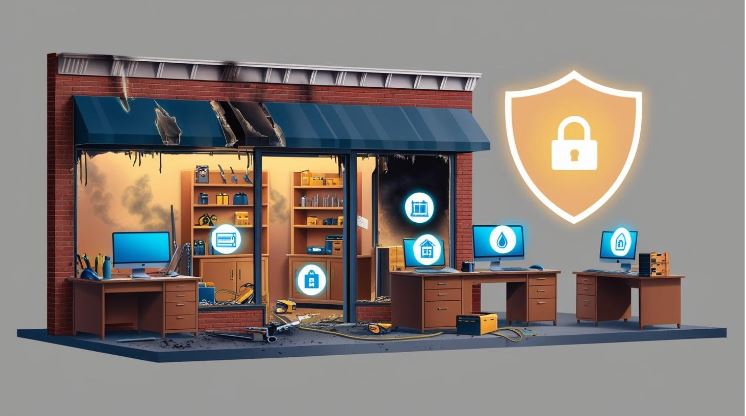
Covers damage to your business property caused by fire, theft, vandalism, or natural disasters. This includes:
- Buildings you own or lease.
- Equipment, inventory, furniture, and fixtures.
Example: If a fire damages your office and equipment, commercial property insurance helps cover repair or replacement costs.
3. Business Income Insurance (Business Interruption)
Reimburses lost income and operating expenses if your business is forced to temporarily close due to a covered event. This includes:
- Lost revenue.
- Payroll expenses.
- Rent or mortgage payments.
Example: If a storm damages your building and you must shut down for repairs, this coverage helps you stay afloat financially.

Optional Add-Ons for BOP
Customize your policy with additional coverages tailored to your industry:
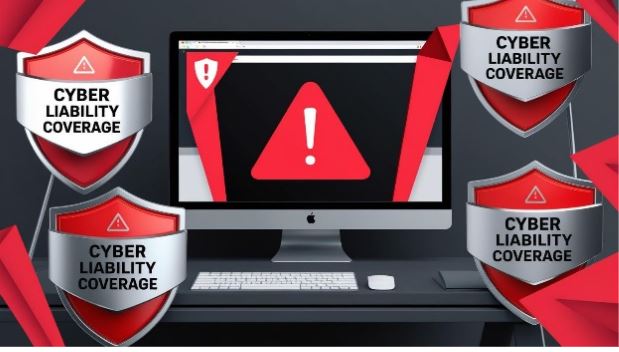
- Cyber Liability Insurance: Protects against data breaches and cyberattacks.
- Equipment Breakdown Coverage: Covers repair or replacement of essential equipment.
- Employment Practices Liability: Protects against claims of wrongful termination or discrimination.
- Crime Insurance: Covers losses from theft, fraud, or forgery.
What’s Not Covered by a BOP?
A BOP does not typically include:
- Workers’ compensation insurance (required for employees).
- Commercial auto insurance (for business vehicles).
- Professional liability insurance (for errors in professional services). Separate policies are needed for these coverages.
Recommendations Based on Your Business Needs:
How Much Coverage Do You Need?
For Retail Stores:
Ensure adequate property coverage for inventory and liability protection for customer injuries.
For Offices:
Focus on liability coverage for visitors and business interruption insurance to cover income loss during closures.
For Service-Based Businesses:
Consider adding professional liability insurance if you provide advice or specialized services.
Why Choose Us?
With so many options available for business insurance, finding the right policy can be overwhelming. That’s where we come in:
- We compare quotes from multiple carriers to find the best coverage at
competitive rates. - Our licensed agents provide personalized advice based on your business’s unique needs.
- As a virtual agency, we save you time and money—no broker fees when you buy online!

Protect your business with tailored insurance solutions that combine affordability with comprehensive coverage.
FAQS
Business owners insurance is sold by licensed insurance agents, brokers, and insurance companies that work with small and mid sized businesses. A Business Owners Policy (BOP) is a common package that combines key coverages like general liability and commercial property into one policy designed for business owners.
You can buy business owners insurance:
- Through an independent brokerage like Savon Insurance Brokerage, which can compare coverage and pricing from multiple insurance companies
- Through captive agents who represent only one insurer
- Directly from certain insurance carriers that sell commercial insurance online or over the phone
Working with an independent broker such as Savon is often the easiest path. You share your business details once, and we shop business owners insurance with several insurers, match you with the right Business Owners Policy, and help you customize coverage for your location, industry, and risk.
The insurance a business owner needs depends on the type of business, number of employees, industry, and risk profile. However, most business owners should think about at least:
- Business Owners Policy (BOP)
Combines general liability and commercial property, and often includes business interruption coverage. This is the core “business owners insurance” for many small companies. - General liability insurance
Protects your business from claims of bodily injury, property damage, and personal or advertising injury you may be legally responsible for. - Commercial property insurance
Covers your building (if owned), equipment, inventory, furniture, and other physical assets against covered perils like fire, theft, and some types of storm damage. - Business income / business interruption coverage
Helps replace lost income and cover ongoing expenses if your business must temporarily close after a covered property loss.
Depending on your business, you may also need:
- Workers compensation insurance if you have employees
- Commercial auto insurance if you use vehicles for business
- Professional liability / errors and omissions for advice based or professional services
- Cyber liability insurance if you store client data or rely heavily on technology
- Commercial umbrella for extra liability protection above primary policies
Savon Insurance Brokerage can review your operations, leases, client contracts, and risk exposures and recommend a tailored business owners insurance package instead of guessing on your own.
Business owners insurance coverage typically refers to a Business Owners Policy (BOP), which bundles several important coverages into one convenient package for small and mid sized businesses. A BOP usually includes:
- General liability coverage
Protects your business if someone claims you caused bodily injury, property damage, or personal/advertising injury. It helps cover legal defense, settlements, and judgments up to the policy limits. - Commercial property coverage
Insures your building (if owned) and your business personal property, such as equipment, inventory, and office contents, against covered causes of loss like fire, theft, vandalism, and certain types of wind or water damage. - Business income / extra expense
Helps replace lost income and pay extra operating costs if you are forced to temporarily close or relocate after a covered property loss.
Many BOPs can be expanded with endorsements for:
- Equipment breakdown
- Employee dishonesty / crime
- Spoilage and food contamination
- Data breach and cyber related expenses
- Hired and non owned auto liability
Business owners insurance coverage gives you a broad base of protection in one policy, often at a better price than buying each coverage separately. Savon can help you build a BOP that fits the way your business actually operates.
A Business Owners Policy is designed to cover the most common risks that small and mid sized business owners face. While exact terms vary by company, a typical BOP covers:
- Liability claims against your business
- Customer slip and fall injuries at your location
- Property damage you cause at a client’s premises
- Certain personal and advertising injuries, such as libel or slander
The policy helps pay for legal defense costs and, if you are found liable, settlements or judgments up to the limit.
- Damage to your business property
- The building you own or are required to insure
- Business personal property like inventory, computers, tools, furniture, and fixtures
- Damage from covered perils such as fire, theft, vandalism, and some weather events
- Business income and extra expense
- Lost business income if a covered property loss forces you to suspend operations
- Extra costs to operate from a temporary location or speed up repairs
A BOP does not automatically cover everything. For example, standard business owners policies do not automatically include professional liability, workers compensation, or commercial auto. Those are usually added as separate policies. Savon Insurance Brokerage will explain what your BOP covers and help you fill in any gaps with additional business insurance where needed.
Business Owners Policy insurance, often called a BOP, is a pre packaged commercial insurance policy created for small and mid sized businesses. It combines several key coverages into one policy so business owners can get broad protection without having to buy each coverage separately.
A BOP typically includes:
- General liability insurance
- Commercial property insurance
- Business income / business interruption coverage
You can then customize the BOP with add ons and endorsements that fit your industry, such as coverage for equipment breakdown, data breach response, or specific property extensions.
Business Owners Policy insurance is attractive because it is convenient, often cost effective, and specifically designed for the needs of business owners rather than large corporations. Savon Insurance Brokerage can tell you whether your business qualifies for a BOP and, if so, help you design one that works for your size and sector.
Business owners usually get insurance by:
- Working with an independent broker like Savon Insurance Brokerage
You share your business details, and we gather quotes from multiple insurers for Business Owners Policies and any other required coverages. We then help you compare coverage, exclusions, limits, and pricing. - Meeting with a captive agent
Some owners go to an agent who represents only one insurance carrier. This can be fine if that carrier fits your needs, but it does not provide a broad comparison across the market. - Buying directly from online or direct insurers
Some companies let you quote and purchase basic business insurance online. This can be fast but may not catch important coverage gaps if you do not speak the language of commercial insurance.
To get business owners insurance, you will typically need to provide information about your:
- Business name, address, and legal structure
- Type of operations and services provided
- Annual revenue and number of employees
- Payroll, property values, and equipment
- Prior insurance and claims history
Savon turns that information into a clear business insurance strategy, not just a generic policy.
Business owners can get health insurance in a few different ways, depending on whether they want coverage just for themselves or also for their employees:
- Individual health insurance:
You can purchase an individual or family health plan directly through the health insurance marketplace or from a private health insurer. This is common for sole proprietors and self employed owners without employees. - Small group health insurance:
If you have employees, you may be able to set up a small group health insurance plan for your staff. Group plans are typically purchased through health insurance carriers or brokers and can offer better benefits and employer contributions. - Association or industry plans:
Some professional associations offer access to group health insurance for members, including business owners. - Spouse’s or partner’s plan:
Some business owners join a spouse’s employer sponsored health plan if that is the most cost effective option.
Savon Insurance Brokerage focuses on property and casualty insurance, including business owners insurance, but we can often point you in the right direction or connect you with health insurance professionals who can help you set up either individual or group health coverage as a business owner.
Yes, business owners can absolutely get health insurance. In fact, protecting your own health is just as important as insuring your business assets. Your options depend on your situation:
- If you are self employed with no employees, you can usually buy an individual or family health insurance plan through the marketplace or directly from a health insurer.
- If you have employees, you may qualify for a small group health plan. Many carriers have specific plans for businesses with a minimum number of full time employees.
- If you are part of a partnership or corporation, you may be eligible to participate in a group health plan for owners and employees, subject to plan rules.
Choosing the right health insurance involves balancing monthly premiums, deductibles, networks, and benefits. While Savon’s primary focus is business owners insurance for property and liability, we understand the bigger picture and can help you think through how health coverage fits into your overall risk management plan as an owner.
Often, yes. In many cases, business owners can deduct some or all of their health insurance premiums, but the rules depend on the type of business and how the owner is classified for tax purposes.
Common situations include:
- Self employed individuals and sole proprietors:
You may be able to deduct health insurance premiums for yourself, your spouse, and dependents as an “above the line” deduction on your personal tax return, subject to certain rules and limits. - Partners in a partnership or LLC members taxed as a partnership:
Premiums can sometimes be treated as guaranteed payments and deducted, with specific reporting requirements. - Owner employees of corporations:
Health insurance premiums may be deductible at the corporate level and treated as compensation to the owner, with special rules for owners who hold more than a certain percentage of stock.
Tax rules around health insurance deductions are detailed and can change over time. While Savon Insurance Brokerage can explain how business owners insurance fits into your expenses, we always recommend you talk with a qualified tax professional or accountant to confirm exactly how your health insurance premiums should be handled on your tax return.
In many cases, small business owners can deduct health insurance premiums, either as a business expense or on their personal tax return, depending on the structure of the business and the type of plan:
- If you are a self employed small business owner, you may be eligible for the self employed health insurance deduction, which lets you deduct premiums paid for medical, dental, and some long term care policies for yourself and your family, subject to certain income and eligibility rules.
- If you sponsor a small group health plan for employees, the business can usually deduct the portion of premiums it pays as an ordinary business expense. In some cases, you may also qualify for small business health care tax credits if you meet certain conditions.
Because the tax treatment of health insurance for small business owners depends on your entity type, income, and plan design, it is important to get advice from a tax professional. Savon can help you track and document your insurance costs and then coordinate with your accountant so you know which parts of your business insurance and health insurance are deductible.