
Home Insurance
Protect Your Home And Family With Homeowners Insurance Policy Through Savon Insurance Brokerage
What is Homeowner's Insurance?
Homeowner's insurance protects your home, belongings, and liability against unexpected events like fire, theft, or storms. Whether you’re insuring your primary residence or a rental property, we help you find the right policy at competitive rates to ensure you’re covered when it matters most.

Homeowners Insurance Coverage
Part I: Property Coverages
These coverages protect your home and belongings from physical damage caused by covered perils:
1. Dwelling Coverage:
Protects the structure of your home (walls, roof, etc.) from perils like fire, windstorms, or hail.
Example: If a fire damages your kitchen, dwelling coverage pays for repairs.
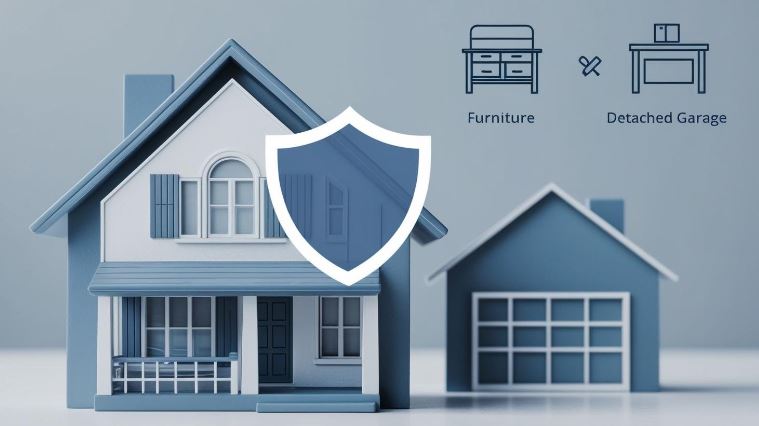
2. Other Structures Coverage:
Covers detached structures like garages, sheds, fences, and patios.
Example: If a windstorm damages your backyard shed, this coverage pays for repairs.
3. Personal Property Coverage:
Protects your belongings inside the home (e.g., furniture, electronics) against theft or damage.
Example: If someone breaks into your home and steals your TV and laptop, this coverage reimburses you.
4. Loss of Use Coverage:
Pays for temporary living expenses if your home becomes uninhabitable due to a covered event.
Example: If a storm damages your roof and you need to stay in a hotel during repairs, this coverage covers hotel costs and meals.
Part II: Liability Coverages
These coverages protect you financially if you are held responsible for injuries or property damage to others:

1. Personal Liability Coverage:
Covers legal expenses if someone is injured on your property or if you accidentally damage someone else’s property.
Example: If a guest slips on your icy driveway and sues for medical bills, this coverage pays for legal fees and settlements.
2. Medical Payments to Others:
Pays for minor medical expenses if someone is injured on your property—regardless of fault.
Example: If a neighbor trips on your steps and needs stitches, this coverage pays their medical bills up to the policy limit.
Dwelling Fire Insurance Coverage
Part I: Property Coverages
Dwelling fire insurance is ideal for non-owner-occupied properties like rental homes or vacation homes. It typically includes:
1. Dwelling Coverage:
Protects the structure from specific perils (e.g., fire, hail)
Example: If a fire damages the walls of your rental property, this coverage pays for repairs.
3. Fair Rental Value Coverage:
Compensates landlords for lost rent if tenants must vacate due to a covered loss.
Example: If storm damage forces tenants out of your rental property for two months, this coverage reimburses lost rental income.
2. Other Structures Coverage:
Covers attached structures like decks and porches.
Example: If hail damages the porch of your rental cabin, this coverage pays for repairs.
Part II: Liability Coverages
Most modern dwelling fire policies include liability protection similar to homeowners insurance:
1. Personal Liability Coverage:
Covers legal expenses if someone is injured on the rental property or if the property causes damage to others (e.g., a tree falls onto a neighbor’s house).
2. Medical Payments to Others:
Pays minor medical expenses for injuries occurring on the rental property—regardless of fault.
Coverage Forms: Basic, Broad, and Special
Both homeowners and dwelling fire insurance policies can be written under three main forms:
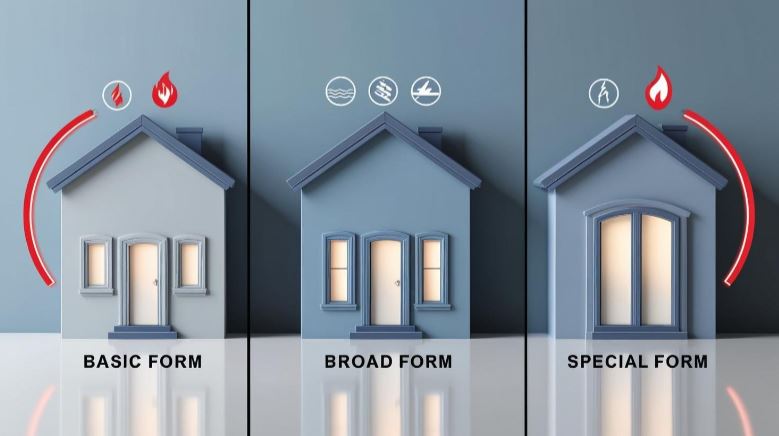
Basic Form (Named Perils):
Covers only specific perils explicitly listed in the policy (e.g., fire, lightning).
Broad Form (Expanded Named Perils):
Includes all basic form perils plus additional ones like falling objects or water damage from plumbing issues.
Special Form (All-Risk):
Covers all perils except those explicitly excluded (e.g., flood or earthquake). Most comprehensive form.
Optional Coverages
1. Flood Insurance:
Protects against water damage caused by flooding events (not
covered by standard policies).
2. Earthquake Insurance:
Provides protection against structural damage caused
by seismic activity.
Recommendations Based on Your Needs
How Much Coverage Do You Need?
For Homeowners with Significant Assets:
Consider higher liability limits to protect yourself financially in case of lawsuits. Recommended: $300,000 or more in liability coverage.
For Rental Property Owners:
Dwelling fire policies with fair rental value coverage ensure you’re protected against income loss during repairs.
For High-Risk Areas:
Add flood or earthquake insurance if your property is located in a high-risk zone.
Why Choose Us?
With so many options available from over 2,600+ PC insurance carriers in the U.S., finding the right home insurance can be overwhelming. That’s where we come in:
- We compare quotes from multiple carriers to find the best coverage at
competitive rates. - Our licensed agents provide personalized advice based on your needs and budget.
- As a virtual agency, we save you time and money—no broker fees when you buy online!

Protect your home and property with tailored home insurance solutions.
FAQS
In most cases, standard home insurance does not cover termite damage or other pest related damage. Insurance companies see termite problems as a maintenance and prevention issue, not a sudden accident or disaster. Termites usually cause damage slowly over time. Because of that, the damage is considered avoidable with regular inspections and treatment, rather than something “accidental” or “sudden and unexpected.”
However, there are a few limited situations where part of the loss might be covered. For example, if termites weaken a structure and a covered peril happens on top of that, such as a windstorm or collapse that causes sudden damage, your home insurance may respond to the covered event, but not to the long term termite infestation itself. The exact language depends on your policy.
If you are concerned about termites, it is better to invest in regular inspections and pest control rather than expecting your home insurance to pay for structural repairs later. At Savon Insurance Brokerage, we can review your current policy and help you understand what is excluded so you can plan for prevention and avoid bad surprises.
Home insurance can cover tree removal, but it depends on why the tree came down and what it damaged.
Most standard homeowners policies will pay to remove a fallen tree if:
- The tree fell because of a covered peril, such as windstorm, ice, or lightning
- The tree damaged a covered structure on your property, such as your home, detached garage, or fence
In that case, the policy may pay for:
- Repairing the damage caused by the tree
- A limited amount toward removing the tree and hauling it away, up to a specific dollar limit listed in your policy
If a tree falls in your yard but does not damage any covered structure, many policies either do not pay for removal at all or provide only a small amount of coverage. If the tree is still standing but is dead or at risk of falling, removal is usually considered a maintenance expense and is typically not covered.
Because tree coverage limits vary by company, it is smart to ask Savon to go over your tree removal language. We can make sure you know exactly what is and is not covered before storm season hits.
Home insurance can cover some plumbing related losses, but it does not act like a home warranty for every plumbing issue.
In general:
- If a sudden and accidental plumbing event causes damage, such as a burst pipe that floods a room, your home insurance will usually cover the resulting water damage to walls, floors, ceilings and belongings, after your deductible.
- The policy may or may not pay to repair the broken pipe itself, depending on your carrier and the policy wording. Some companies cover access and tear out to reach the pipe, while others treat the pipe as a maintenance item.
Home insurance usually does not cover:
- Slow leaks that occur over many months
- Wear and tear on old pipes
- Damage from neglected maintenance or known issues that were not repaired
Optional endorsements are sometimes available for things like water backup from drains or sewers, which is a separate type of coverage you may want to add.
If you have older plumbing or have had leaks before, Savon Insurance Brokerage can help you review your policy for water damage coverage, water backup options, and any special plumbing exclusions so you know where you stand.
Home insurance premiums can increase even if you have not filed a claim. There are a few common reasons:
- Rising repair and construction costs: Labor, materials, and contractor rates have gone up in many areas. If it costs more to rebuild or repair homes after a loss, insurance companies have to collect more premium to keep up.
- Inflation and “inflation guard” coverage: Many policies include automatic increases to the dwelling limit to keep up with inflation and rising building costs. As that limit goes up, your premium follows.
- Weather and catastrophe losses: More frequent and severe storms, wildfires, hail, and other natural disasters in your region or nationwide can drive up claim costs and push rates higher for homeowners in affected states.
- Local risk factors: If your area has more claims, higher crime, more lawsuits, or increased fire risk, insurers may adjust rates by zip code.
On top of these factors, your own policy changes matter. Adding coverage, filing claims, changing your deductible, or remodeling your home can also increase your premium. At Savon, we help you understand each renewal and look for ways to manage rising costs, such as adjusting deductibles, updating discounts, or comparing offers from multiple companies.
Home insurance can feel expensive because it is designed to protect you from large, potentially life changing losses. A single house fire, severe windstorm, or liability claim could cost hundreds of thousands of dollars or more. Your premium is the price of transferring that financial risk to an insurance company.
Several factors make home insurance feel costly:
- The rising price of building materials and labor
- The cost to rebuild your home, which is often higher than its market value
- The value of your personal property and furnishings
- Liability protection for injuries or property damage you might be responsible for
- Additional living expenses if you cannot live in your home after a covered loss
If you live in an area prone to hurricanes, hail, wildfires, or other disasters, your risk is higher and so is your premium. Older homes, custom construction, and higher value properties also cost more to insure.
Savon Insurance Brokerage can help you make sure you are not paying for unnecessary extras while still keeping the important parts of your coverage strong. The goal is not just “cheap home insurance,” but good home insurance at a fair price for the risk you actually have.
There is no single home insurance company that is “the best” for everyone. The right company depends on:
- Your location and the type of home you have
- Your coverage needs and deductible preferences
- Your claims history and credit profile (where allowed by law)
- Whether you want to bundle home and auto or other policies
- How much you value service, claims speed, brand reputation, and price
Some companies are very competitive on price in certain states but may not write homes in others. Some focus on higher value homes. Others specialize in coastal or high risk areas. Each insurer also has its own underwriting rules and appetite.
As an independent brokerage, Savon Insurance Brokerage works with multiple home insurance companies instead of just one. That means we can compare several “best” options for your specific situation. We look at coverage, price, and service together, then help you choose the home insurance company that fits you, not just the one you saw in an ad.
Home insurance is generally cheapest in states and regions with:
- Lower risk of natural disasters such as hurricanes, wildfires, and tornadoes
- Lower crime rates and fewer theft or vandalism claims
- More stable construction costs and less severe weather patterns
States in the middle of the country with fewer coastal exposures often have lower average premiums than coastal states or regions prone to hurricanes or wildfires. On the other hand, homeowners in coastal areas, wildfire zones, or places with frequent hail and windstorms often pay significantly more.
Even within the same state, rates can vary a lot by zip code based on local crime, building codes, fire protection, and claim history. The cheapest location is not always where you live, so the more realistic question is: “How can I get the best home insurance value where I live?”
Savon can help you answer that by comparing multiple carriers in your specific area and looking for discounts you qualify for, such as protective devices, age of roof, claims free history, and bundled policies.
You can get home insurance quotes in a few different ways:
- Through an independent brokerage like Savon Insurance Brokerage
This is often the easiest way. You provide your home and personal details once, and we shop your information with multiple home insurance companies. You get quotes and coverage options side by side, along with advice. - Directly from insurance company websites
Many carriers offer online quote tools. These can be useful, but you must repeat the entire process for each company and interpret the coverage differences on your own. - Online comparison sites
Aggregator websites can show rough estimates from several companies, but they may not show every insurer, every discount, or the full coverage details. Often you still have to finalize the policy with a broker or carrier.
Working with Savon gives you the benefits of comparison plus human guidance. We help you get accurate home insurance quotes that reflect the real replacement cost of your home and the coverage you actually want.
You can buy home insurance:
- Through an independent agency or brokerage like Savon, which represents multiple insurance companies and can help you choose among them
- Directly from a captive agent who sells policies for only one company
- Online from a direct to consumer carrier that lets you quote and bind policies on their website
Buying home insurance involves more than just clicking a “buy now” button. You want to make sure the dwelling limit, liability limit, deductibles, and optional coverages match your real needs. That is much easier when you have someone on your side who understands both the policy language and your situation.
Savon Insurance Brokerage can walk you through the entire process, from quote to binding, explain the fine print, and be there if you ever need to file a claim or make changes later.
Home insurance can cover roof damage, but only in certain situations. Generally:
- If your roof is damaged by a sudden, accidental, covered peril, such as wind, hail, falling objects, fire, or certain types of storms, your home insurance may pay to repair or replace the damaged portion, subject to your deductible and policy terms.
- If the damage is due to wear and tear, age, poor maintenance, or gradual deterioration, it is usually not covered.
Some policies also treat older roofs differently. For example:
- Roofs over a certain age may be covered on an actual cash value basis, which factors in depreciation and pays less than full replacement cost.
- Certain materials or types of roofs may have special limits or higher wind and hail deductibles.
In short, home insurance usually covers roof damage from sudden covered events, not from old age or neglect. At Savon, we can review the roof language in your policy and help you understand how your specific roof would be handled in a claim.
Home insurance can deny a claim for several reasons, usually tied to policy exclusions, non covered causes of loss, or misrepresentation. Common reasons for denial include:
- The damage was caused by an excluded peril, such as flood, earth movement, or long term wear and tear.
- The loss was gradual and due to poor maintenance, such as long term leaks, mold from neglect, or rotting wood.
- The damage occurred while the home was vacant beyond the time allowed in the policy without proper endorsement.
- The claim involves intentional acts, fraud, or misrepresentation.
- The loss is below the deductible, so the policy does not pay anything even though the cause is covered.
A denial can be frustrating, especially if you assumed something would be covered. This is why it is important to know your exclusions and to ask questions before trouble hits. If you ever face a denied claim, Savon can help you review the explanation, check for errors, and, when appropriate, guide you on how to dispute or clarify the decision with the insurance company.
You generally need home insurance any time:
- You own a home and have a mortgage. Lenders almost always require proof of homeowners insurance as a condition of the loan, and they may require specific coverage types and limits.
- You want to protect your investment in a home you own outright. Even if your home is paid off, going without insurance means you are fully responsible for any fire, storm, theft, or liability losses.
- You are buying a home and need coverage in place for the closing date. Lenders often require the policy to start on or before the closing.
You may also want home or property insurance when:
- You are a landlord renting out a property (with a landlord or dwelling policy rather than a regular homeowner policy).
- You own a condo or townhome and need to cover your unit interior and personal property in addition to any condo association master policy.
Savon Insurance Brokerage can help you choose the right type of home or property policy based on how you use the property and what your lender or association requires.
The home insurance you need depends on:
- The type of property (single family home, condo, townhome, rental)
- Your lender’s requirements
- Your financial situation and risk tolerance
- The value of your home and belongings
Most homeowners should consider:
- Dwelling coverage high enough to rebuild the home at today’s construction costs, not just pay off the mortgage
- Personal property coverage that can replace your furniture, clothing, electronics, and other belongings
- Liability coverage with limits high enough to protect your assets if someone is injured on your property or you are held responsible for damage to others
- Loss of use / additional living expenses coverage to pay for temporary housing if your home becomes uninhabitable after a covered loss
You can also add endorsements for things like water backup, increased ordinance or law coverage, higher limits for jewelry and valuables, and special coverage for home based businesses.
Savon will help you build a home insurance package that covers the main risks in your life without forcing you to pay for extras that do not fit your situation.
Standard home insurance typically covers four main areas:
- Dwelling (Coverage A):
The structure of your home itself, including walls, roof, built in cabinets, and attached structures, for damage caused by covered perils such as fire, windstorm, hail, theft, and some types of water damage. - Other Structures (Coverage B):
Structures not attached to the house, like detached garages, sheds, fences, and some outbuildings, usually at a percentage of the dwelling limit. - Personal Property (Coverage C):
Your belongings inside the home, such as furniture, clothing, electronics, appliances, and other personal items, covered for named perils and sometimes on or off the premises. - Loss of Use / Additional Living Expenses (Coverage D):
The extra cost of living elsewhere (hotel, rental) if your home is uninhabitable due to a covered loss. - Personal Liability and Medical Payments (Coverage E & F):
Protection if you are legally responsible for injuries or property damage to others, plus limited coverage for medical payments to guests, regardless of fault.
Every policy also has exclusions, such as flood, earthquake, war, wear and tear, and neglect. Optional endorsements can fill some of these gaps. Savon will help you understand exactly what your home insurance covers so you are not surprised at claim time.
When something happens and you need to use your home insurance, the claim process usually follows a few basic steps:
- Emergency response and safety:
Make sure everyone is safe, call emergency services if needed, and take reasonable steps to prevent more damage (for example, turning off water, boarding up a broken window). - Notify your insurance company or your broker:
Report the claim as soon as possible. Provide basic details about what happened, when it happened, and what was damaged. - Inspection and documentation:
The insurance company may send an adjuster to inspect the damage. You should take photos, save receipts for temporary repairs, and make a list of damaged items. - Review of coverage:
The insurer reviews your policy to confirm what is covered and how deductibles and limits apply. They may ask for additional documents or estimates. - Estimate and payment:
Once the inspection and review are done, the insurer will provide a settlement offer or payment based on the covered damage. You may receive an initial payment and then additional payments as repairs progress, especially if replacement cost coverage applies. - Repairs and follow up:
You use the claim funds to repair or rebuild the home and replace belongings. If there are questions or differences in estimates, your broker can help you communicate with the adjuster.
Savon Insurance Brokerage can support you through each step by explaining your coverage, helping you gather documents, and making sure you understand the settlement you receive.
Home insurance cost varies widely, but it is usually based on:
- The replacement cost of your home (what it would cost to rebuild, not what you paid)
- Your location and local risk factors (weather, crime, fire protection)
- The age, condition, and construction type of the home
- Your coverage limits and deductibles
- Your claim history and sometimes your credit based insurance score (where allowed)
Some national reports show average homeowners premiums ranging from under 1,000 dollars per year in lower risk states to several thousand dollars per year in coastal or catastrophe prone areas. Your personal premium may be higher or lower depending on your specific home and coverage choices.
The best way to find out what home insurance will cost for you is to get quotes based on your actual property details. Savon can collect your information once and then bring you tailored quotes from multiple home insurance companies so you see real numbers rather than just broad averages.
For most homeowners who live in their home as a primary residence, home insurance premiums are not tax deductible as a personal expense. The IRS generally treats homeowners insurance as a personal cost, similar to utilities, not as a deductible item.
However, there are some situations where part of your home insurance may be deductible:
- If you use part of your home exclusively and regularly for business, such as a home office, a portion of your insurance may be deductible as a business expense under the home office rules.
- If you own rental property, landlord insurance premiums are typically deductible as a rental business expense.
Tax rules are complex and can change, and your situation may be different. Savon Insurance Brokerage provides insurance guidance, not tax advice. You should always talk with a qualified tax professional or accountant to see whether any portion of your home insurance is deductible in your specific case.
Yes, home insurance companies can choose not to renew your policy or, in some cases, cancel it mid term, but there are rules they must follow.
Common reasons a company may decide to non renew (drop) a homeowner after the policy term ends include:
- Multiple claims within a short time
- A history of certain types of claims, such as frequent water or liability losses
- Major changes in property condition or increased risk (for example, a deteriorating roof, serious maintenance issues, or unapproved additions)
- Changes in the company’s underwriting guidelines or appetite for certain areas
Mid term cancellations are more restricted and usually allowed only for reasons such as non payment of premium, material misrepresentation on the application, or serious undisclosed hazards.
If your carrier decides not to renew, they must typically give written notice in advance, as required by state law. If this happens to you, Savon can help you find a new home insurance company and, when possible, work with you on steps that may make your property more acceptable to insurers in the future.
In many situations, home insurance payouts are not taxable because they are viewed as reimbursement for a loss, not as income. For example:
- Payments to repair or rebuild your home after a covered loss
- Payments to replace personal property damaged by a covered event
are usually not taxable as long as they simply compensate you for what you lost.
However, there are some cases where tax issues can come into play, such as:
- If you receive more than your adjusted basis in the property and do not reinvest the money
- If part of the settlement is for lost rental income or business use
- If you claimed a casualty loss deduction on a prior tax return and later receive reimbursement
Because tax treatment depends on the details of your situation and current tax law, you should always speak with a tax professional about how to handle any large home insurance payout. Savon can explain what your policy covers and how the claim is structured, and your tax advisor can explain what that means for your tax return.
For primary residences, home insurance premiums are generally not tax deductible for federal income tax purposes. Homeowners insurance is treated as a personal expense, even though it is required by your lender and protects a valuable asset.
Home insurance premiums may be deductible in certain situations, including:
- Rental properties: Landlord or rental dwelling insurance premiums are typically deductible as a rental expense on your tax return.
- Home office or business use: If you use part of your home exclusively and regularly for business, a portion of your homeowners insurance may be deductible under home office rules.
Because the rules for deductions and home office usage have specific requirements, it is important to confirm this with a qualified tax professional. Savon can provide documentation of your premiums and coverage, and your accountant can help you decide what is deductible and how to report it correctly.
In many areas, home insurance rates have been rising in recent years. There are several reasons for this trend:
- Higher construction and repair costs: Lumber, roofing, labor, and other building materials have become more expensive, and insurers must price policies based on current replacement cost, not old prices.
- More frequent and severe weather events: Hurricanes, wildfires, hailstorms, and other disasters have led to higher claim payouts across many states.
- Reinsurance costs: Insurance companies themselves buy “insurance for insurers” called reinsurance. As catastrophe losses grow, reinsurance costs have gone up, which can push primary home insurance rates higher.
- Local risk and claim trends: Increased theft, liability claims, or water damage in certain neighborhoods or regions can also pressure rates.
Even if your individual claim history is clean, you may still see increases due to these broader factors. That is why it is important to review your home insurance regularly. Savon Insurance Brokerage can help you respond to rising rates by checking for discounts, adjusting deductibles, and comparing multiple insurance companies to make sure you are still getting fair value for your premium.