
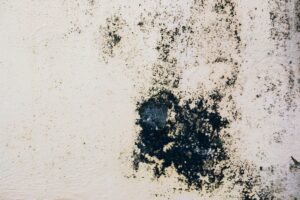
Will Home Insurance Cover Mold?
You spot a dark patch on the ceiling.
Or you move a piece of furniture and see fuzzy spots on the wall.
Maybe your basement smells like a wet towel that never dries.
Right after “Is this mold?” the next question usually shows up:
Will my home insurance cover this mold problem?
Here is the short, honest version:
Home insurance sometimes covers mold, but only in very specific situations.
It usually has to be caused by a sudden, accidental water problem that is already covered by your policy.
Mold from long term moisture, humidity, neglect or flooding is usually not covered.
On top of that, even when mold is covered, many policies cap mold payments at low amounts, like 1,000 to 10,000 dollars, unless you buy extra coverage.
In this guide, written for homeowners and clients of Savon Insurance Brokerage and their site savonusa.com, we will walk through mold and home insurance in plain English. No scare tactics. No confusing jargon. Just clear explanations so you know what to expect before a small spot turns into a big bill.
We will cover:
- How home insurance looks at mold
- When mold is usually covered
- When mold is usually not covered
- Mold coverage limits and endorsements
- Mold from floods, sewer backups and humidity
- How mold claims work in real life
- Why mold claims get denied
- Special rules for condos, renters and landlords
- How to prevent mold and protect your coverage
- How a broker like Savon can help you before and after a claim
This is general education, not legal advice. Every policy and state is a little different, so always check your own documents or talk with a professional about your specific situation.
Why Mold Makes Homeowners Nervous
Mold is one of those problems that feels bigger than it looks.
You start with a stain or a smell. You Google a bit. Suddenly you are reading about health issues, air quality tests and people spending tens of thousands of dollars on remediation.
There are a few reasons mold makes people anxious:
First, mold can spread quietly. It often grows behind walls, under flooring or inside HVAC systems where you cannot see it. By the time you notice visible spots, the real problem may already be larger.
Second, cleanup is not cheap. Recent articles and insurance blogs put average mold remediation costs around 2,000 to 2,500 dollars, with serious cases running 15,000 to 30,000 dollars or more if walls, insulation or major systems are involved.
Third, insurance coverage is tricky. Mold claims are often in a gray area between “covered water damage” and “maintenance issue,” and many policies have low mold limits or mold exclusions.
So it is no surprise that one of the most common homeowner questions is “Does my home insurance cover mold?” Let us break it down in a way that actually makes sense.
The Quick Answer: When Does Home Insurance Cover Mold?
Most standard homeowners policies follow this basic rule:
Mold is usually covered when it is the direct result of a sudden, accidental event that your policy already covers.
Mold is usually not covered when it grows over time due to humidity, leaks, neglect or flooding.
That means your home insurance may help with mold cleanup if:
- A pipe suddenly bursts and soaks a wall, and mold develops in that area
- A washing machine hose breaks unexpectedly, leading to water damage and mold
- A storm tears off part of your roof, rain pours in and mold grows in the damaged part of the house
- Firefighters put out a kitchen fire and water used in the process later leads to mold
In those cases, the mold is a result of a “covered peril” such as sudden water damage from plumbing, storm damage or fire.
On the other hand, home insurance usually does not cover mold when:
- There is a slow leak under a sink for months that you did not fix
- The bathroom has poor ventilation and mold grows from constant humidity
- Groundwater or surface water seeps into the basement over time
- A flood fills your basement and you do not have separate flood insurance
- A sewer or sump pump backs up and you never added backup coverage
There are also coverage limits and special endorsements that can change the picture, which we will get into shortly.
How Homeowners Insurance Thinks About Mold
To understand when mold is covered, you have to see how home insurance is designed in general.
A standard homeowners policy is not a maintenance plan. It is built to protect you from specific kinds of sudden loss, not from every problem that can appear in a house over time.
Covered perils vs exclusions
Policies usually list:
- Perils that are covered
- Exclusions that are not covered
- Conditions you must follow for coverage to apply
For mold, the key question is always:
What caused the mold in the first place?
If the cause is a covered peril, like sudden and accidental water damage from plumbing, there is at least a chance of coverage for mold that follows, often with limits.
If the cause is an excluded peril, like flood, or a maintenance issue, like long term moisture, mold is usually excluded.
Mold as a result, not as a peril
Most policies do not list “mold” itself as a covered peril. Instead, mold is treated as a result of something else, such as water damage.
Many insurers have:
- Mold exclusions that remove coverage entirely in some cases
- Mold sublimits that cap the amount they will pay for mold related work
- Optional mold endorsements that buy back some coverage for a higher limit
So when you ask if mold is covered, what you are really asking is:
- Was the original event covered?
- Does my policy exclude or limit mold?
- Did I buy extra mold coverage?
When Home Insurance Usually Covers Mold
Let us look at the situations where mold is most likely to be covered, at least up to your policy’s mold limits.
Mold after sudden plumbing leaks
This is the classic example most consumer guides use.
Imagine:
- A supply line to your toilet snaps unexpectedly
- A pipe in the wall bursts during a cold spell
- A water heater tank suddenly ruptures
Water pours out, soaks building materials and then mold begins to grow if cleanup is delayed or incomplete.
In many states and with many insurers, mold that directly results from a sudden and accidental plumbing leak is treated as part of the covered water damage.
Coverage typically focuses on:
- Removing and replacing damaged drywall, flooring and insulation
- Cleaning or replacing affected materials to remove mold
- Possibly testing to confirm mold has been removed, although testing is sometimes limited
You may still face mold sublimits, which we will talk about later, but the core idea is that plumbing leaks that happen suddenly are usually seen as covered events, and mold that grows as a direct result may also be covered.
Mold after appliance failures
Now picture this:
- Your washing machine hose bursts while you are out
- Your dishwasher fails and water runs under the cabinets
- Your fridge ice maker line splits and leaks under the floor
Again, you have sudden internal water damage from a source inside the home. Homeowners insurance usually treats that as covered water damage, and mold that grows in those specific wet areas can sometimes be part of the claim.
The policy still may not pay to replace the broken appliance itself. That part is often considered maintenance or warranty. But it may help pay to clean, dry and repair the structure and sometimes the mold.
Mold after storm damage that opens your home
Consider a windstorm or hurricane that:
- Tears shingles off your roof
- Breaks a window
- Damages siding and lets rain blow inside
When a covered peril such as wind or hail creates an opening, and rain comes in and causes water damage, that water damage is usually covered. If mold then grows in the affected area, it is sometimes covered as part of the same event, subject to mold limits.
What matters is that:
- The damage to the exterior was sudden and caused by a covered peril
- You took reasonable steps to dry the area and prevent further damage once you knew about the problem
Mold after a fire or fire fighting efforts
If there is a fire in your home, your policy almost always covers fire damage. Water used to put out that fire is also part of the covered event.
So if mold grows in areas that were soaked by sprinklers or hoses during fire fighting, that mold can sometimes be handled under the same claim, again within mold limits and policy language.
Fire related claims get complex, so it is especially important to involve your agent or broker quickly.
When Home Insurance Usually Does Not Cover Mold
It is just as important to be clear about the situations where mold is almost never covered.
Mold from long term leaks and neglect
If an insurer can tell that water has been a problem for a long time, they will almost always treat that as a maintenance issue that is not covered.
Examples:
- A drip under the sink that has rotted wood and grown mold for months
- A shower that is poorly sealed, leading to water getting behind tiles over years
- A small roof leak that you noticed but never checked, and now the attic is moldy
State regulators and insurance companies are blunt about this. They say homeowners must maintain their homes and fix leaks promptly. Gradual leaks and long term moisture are usually excluded from coverage, and mold from those problems is not covered either.
Put simply, insurance is there for “Oh no, what just happened,” not for “I have been meaning to fix that for a year.”
Mold from humidity and poor ventilation
Mold loves warm, damp, still air. That is why it shows up in:
- Bathrooms without fans or with fans that no one uses
- Closets pressed tight against exterior walls
- Basements with no dehumidifier in humid climates
- Vacation homes where the air conditioning is turned completely off in hot, sticky weather
Articles on mold and insurance stress that mold caused by high indoor humidity or lack of ventilation is usually considered preventable and not covered by standard home insurance.
So if your only “leak” is moist air, do not expect your policy to pay for that.
Mold from flooding and storm surge
This one surprises many people.
Standard homeowners policies do not cover flood, which means water that comes from outside at ground level, such as:
- River or creek overflow
- Heavy rain that pools and flows over the ground into your home
- Storm surge that pushes ocean or bay water into your neighborhood
Flood is usually handled by a separate flood insurance policy, often through FEMA’s National Flood Insurance Program or private flood carriers. Even then, NFIP flood policies often limit or exclude mold unless you can prove you acted quickly and did everything you reasonably could to prevent it.
So:
- If mold comes after a flood and you have no flood insurance, you are almost always on your own.
- If you have flood insurance, read the mold section carefully. It may only cover some mold and only under certain conditions.
Mold from sewer or drain backup without special coverage
If mold grows after:
- A sewer line backs up through a floor drain
- A sump pump fails and the basement fills with water
- A city drain overloads and sends dirty water back into your home
A standard homeowners policy usually does not cover that unless you added a specific sewer or water backup endorsement.
Even with that endorsement, mold cleanup may be subject to separate limits, so it is important to know your exact coverage.
Mold Coverage Limits, Sublimits And Endorsements
Even when mold is covered, the amount the insurer will pay is often limited.
Mold sublimits in standard policies
Many insurers treat mold as a high risk exposure. There have been many lawsuits in the past involving mold, so insurers try to control their costs.
A common approach is to include a mold sublimit in the policy. That is a smaller maximum amount that applies just to mold related costs, even if your overall dwelling limit is much higher.
Industry and legal sources note that:
- Many policies cap mold coverage around 1,000 to 10,000 dollars
- Some policies offer only 2,500 dollars by default
- In some states, admitted carriers have typical mold sublimits around 15,000 dollars, with options to buy more
Compare that to the possible 15,000 to 30,000 dollar price tag for severe remediation and repairs, and you can see the gap.
Mold endorsements that buy back coverage
To fill that gap, many insurers offer mold endorsements. These are add ons that:
- Increase the mold coverage limit beyond the basic sublimit
- Sometimes expand what kinds of mold damage are covered
- Charge an extra premium for that protection
For example, the Florida Department of Financial Services describes mold endorsements that raise coverage to 25,000 or 50,000 dollars, and some private carriers offer higher options.
The details vary a lot from company to company, but the pattern is:
- Basic policy: very limited mold coverage, if any.
- Policy with mold endorsement: much higher limit and more peace of mind, especially in damp climates or homes with finished basements.
If you live in a humid area or in a home that has had past moisture issues, this kind of endorsement is something to discuss with a broker like Savon.
Mold and state specific rules
There are also state level differences. One insurance commentary points out that:
- In some states, carriers can completely exclude mold except as required by regulators.
- In others, such as New York, admitted carriers cannot fully exclude mold that results from a covered cause of loss, but they can still use sublimits.
This means two people with similar houses and similar policies in different states might have very different mold protection.
How A Mold Claim Works In Real Life
If you already have mold or you discover it after a water loss, it helps to know what actually happens when you file a claim.
Step 1: Stop the source and protect yourself
First priority is safety and stopping further damage.
- Fix the leak or shut off the water if you can.
- If there is a lot of mold or you feel sick, limit your time in that area until professionals can assess it.
- Wear basic protection if you must go near heavy mold, such as gloves and a simple mask.
Policies usually require you to take reasonable steps to prevent further damage once you know about a problem.
Step 2: Document everything
Take clear photos and short videos of:
- The mold itself
- Any visible water or moisture sources
- Damaged building materials and belongings
- Any areas where you had to tear out materials to reach the source
Keep receipts and records of:
- Plumber or contractor visits
- Any temporary repairs or mitigation work
- Hotel or rental costs if you have to move out temporarily
Good documentation will help the adjuster understand the timeline and the cause.
Step 3: Report the claim promptly
Contact your insurance company or your broker, such as Savon Insurance Brokerage, as soon as you can reasonably do so.
Share:
- When you discovered the problem
- What you think caused it
- What you have done so far to control it
- Any urgent health or safety concerns
State regulators and consumer advocates constantly repeat that prompt reporting greatly improves the odds of a smooth claim process, especially for water and mold.
Step 4: The adjuster visit or virtual inspection
The insurer will assign an adjuster who will:
- Ask detailed questions about the history of the problem
- Inspect the damaged areas in person or by video
- Look for signs of sudden damage versus long term issues
- Review contractor estimates and reports
Their main job is to decide:
- Is the original water problem a covered peril under your policy
- Is the mold a direct result of that problem
- What parts of the damage fall within your limits and deductibles
Step 5: Working with restoration professionals
In most mold claims, you will end up working with a restoration company that handles:
- Drying and dehumidifying affected areas
- Removing damaged materials like drywall, carpet and insulation
- Cleaning and treating surfaces to remove mold
- Possibly testing air or surfaces, depending on the situation
Sometimes the insurer will suggest preferred contractors. Sometimes you can choose your own. Either way, you should be comfortable asking questions about their plan and what is or is not covered by insurance.
Why Mold Claims Get Denied
Mold claims are denied more often than many other types of home claims. Knowing the common reasons can help you avoid surprises.
Reason 1: The cause was not covered
If the adjuster concludes that the original water or moisture problem came from:
- Flood
- Groundwater seepage
- Sewer backup without the right endorsement
- Long term humidity or condensation
Then they will usually deny the mold claim by pointing to exclusions for those causes.
That is why the cause of water is more important than the mold itself in the claim.
Reason 2: The damage appears long term
If there are clear signs that the problem has been building for a long time, such as:
- Multiple layers of staining
- Rot in wood framing
- Heavy mold growth that clearly took months
- Homeowner admits the leak has been there for a while
The insurer may treat it as a maintenance issue. That usually means no coverage, even if you only just noticed how bad it is.
Reason 3: Mold exclusions or low sublimits
Some policies flat out exclude mold in most situations. Others cover it only in very narrow circumstances and with low sublimits.
In those cases, the insurer may say:
- The policy provides no coverage for mold
- Or coverage is limited to a small amount that is quickly used up
This is not really a “denial” in the sense of arguing about facts. It is simply a case where the contract never promised what you hoped it did.
Reason 4: Late reporting or lack of cooperation
If you wait a long time to report the problem, or refuse to let the insurer or their contractors inspect, they can argue that they cannot properly investigate the claim and may deny it under the policy’s conditions.
The safest approach is to report fast and cooperate, even if you are not sure yet how big the problem is.
Special Situations: Condos, Renters And Landlords
Mold coverage gets more complex when different people own different parts of the building.
Condo owners
If you own a condo:
- The association’s master policy usually covers the building structure and common areas
- Your individual condo policy (HO 6) usually covers the interior of your unit and your belongings
Mold inside your unit might involve:
- The master policy if the cause is from common elements, like a roof or shared plumbing
- Your own policy for interior finishes and personal property
- The association’s rules about who pays for what
It is wise to review both your condo documents and your HO 6 policy to see how water and mold are handled.
Renters
If you rent:
- The landlord’s policy usually covers the structure
- Your renters policy covers your personal belongings and sometimes extra living expenses
If mold damages your furniture or clothes after a covered water event, your renters insurance may help pay to replace those items. But it will not pay to repair the walls or flooring.
If you see mold in a rental, you should also contact your landlord right away, since they have legal duties regarding habitability in many places.
Landlords
If you are a landlord, you might have a dwelling or landlord policy. These policies usually:
- Focus on the building
- May include some coverage for loss of rental income after a covered loss
- Usually do not cover tenants’ belongings
Mold claims for landlords can involve:
- Disputes with tenants about who is responsible
- Questions about maintenance obligations
- The same sudden vs gradual rules that apply to owner occupied homes
A broker who understands both personal and landlord policies can help you choose the right structure.
Mold Prevention: Protect Your Health And Your Coverage
The simplest way to deal with mold and insurance is to avoid big mold problems in the first place. That sounds obvious, but a few practical habits really make a difference.
Fix small water problems fast
Do not ignore:
- Drips under sinks
- Peeling paint or bubbling drywall
- Stains on ceilings
- Loose caulk around tub or shower edges
- Toilets that rock or leak at the base
These are all early warning signs. The longer you wait, the more likely a claim will be seen as a maintenance problem rather than a sudden loss.
Control humidity
Especially in humid states or seasons, keeping humidity in check is key. Consumer and financial sources point out that turning off your air conditioning completely during a hot, humid vacation can lead to serious mold issues that insurance will not cover, because they come from prolonged humidity rather than sudden damage.
Simple steps:
- Use bathroom fans during and after showers
- Run kitchen exhaust fans while cooking
- Use a dehumidifier in damp basements or crawl spaces
- Set central AC to a higher temperature rather than turning it off when you travel
Keep an eye on roofs, gutters and grading
Regularly check:
- Roof shingles and flashing
- Gutters and downspouts
- How water runs off around your foundation
Good drainage reduces the risk of both water intrusion and mold, and it also helps you show that you are maintaining your home if a claim ever comes up.
Know your coverage and fill the gaps
Sit down with your policy and your broker and specifically ask:
- How much mold coverage do I have right now
- Is there a mold sublimit
- Do I have sewer or drain backup coverage
- Do I have or need flood insurance
Many homeowners are surprised to learn that a few inexpensive endorsements can significantly improve their protection against water related mold problems.
How Savon Insurance Brokerage Can Help
This is where working with a real broker makes a difference.
Savon Insurance Brokerage is a virtual insurance brokerage that serves clients online and by phone. Their social pages and information list them as an insurance broker with contact details at savonusa.com, and they present themselves with a simple promise: Protection you can trust, savings always on.
When it comes to mold and water damage, a broker like Savon can help you in a few practical ways.
First, they can review your current policy in plain English.
Instead of sending you a 40 page PDF and wishing you luck, they can walk you through:
- What kind of water damage is covered
- What mold limits apply
- Whether you have backup or flood coverage
- Where the real gaps are
Second, they can suggest smart add ons without treating you like a walking wallet.
If you have a finished basement, a home office or a history of plumbing issues, they can talk honestly about the value of:
- Sewer and drain backup coverage
- Mold and fungus endorsements with higher limits
- Flood insurance if you are anywhere near a risk zone
Third, they can stand next to you at claim time.
If you ever do find mold after a sudden water loss, you do not have to deal with the insurer alone. Your broker can:
- Help you report the claim clearly
- Explain letters and estimates
- Help you understand what is fair and what is not
- Guide you if you need to push back on a denial or a low offer
In short, Savon can help make sure you are not learning about mold coverage for the first time when there is already a musty smell in your living room.
Frequently Asked Questions About Mold And Home Insurance
Does home insurance automatically cover mold?
No. Standard homeowners insurance does not automatically cover all mold. It may cover mold that is directly caused by a covered peril, like a sudden plumbing leak, but it usually does not cover mold from flood, long term leaks, humidity or neglect.
How much mold damage will my policy pay for?
Many policies limit mold coverage to a sublimit such as 1,000 to 10,000 dollars by default, even if your overall dwelling limit is much higher. Some endorsements can raise that to 25,000, 50,000 or more for an extra premium.
You have to read your declarations and mold endorsement, if you have one, to know your exact limit.
Does home insurance cover mold from a roof leak?
It depends on why the roof leaked.
- If a storm suddenly damaged the roof and water came in, mold from that event may be covered.
- If the roof is old and has been leaking slowly due to wear and tear, mold is usually not covered.
Will flood insurance cover mold?
Not always. Standard homeowners insurance does not cover flood, and separate flood policies through NFIP often have strict limits or exclusions for mold unless you act quickly and take reasonable steps to prevent it. Private flood insurers may offer different mold terms.
Is mold from a sewer backup covered?
Only if you have sewer or water backup coverage and your specific endorsement includes resulting mold, often with its own limits. A basic homeowners policy usually does not cover sewage backup or the mold that follows.
How can I improve my chances of a mold claim being paid?
- Fix leaks as soon as you find them
- Control humidity and ventilate wet areas
- Document damage with photos and reports
- Report water problems promptly
- Keep records showing you maintain your home
Insurers and regulators both say that sudden, well documented losses with good maintenance history are much more likely to be covered than long term, ignored problems.
Final Thoughts: Get Clear On Mold Before You Need To
So, will home insurance cover mold?
The real answer is:
It might. If the mold is caused by sudden, accidental water damage from a covered source, and if your policy includes mold coverage with a meaningful limit, you could get help.
If the mold comes from flood, long term leaks, humidity or neglect, or if your policy excludes mold or caps it very low, you are likely on your own.
That sounds a little blunt, but clarity is kinder than vague comfort.
The good news is that you do not have to guess. You can:
- Look at your policy with fresh eyes
- Ask specific questions about mold, water and flood
- Add coverage where it matters most
- Fix small water issues before they turn into big ones
If you are not sure where you stand, that is exactly the sort of conversation a broker like Savon Insurance Brokerage can walk through with you.
A short chat now about mold and water coverage is much easier than a long fight later with a basement full of soggy drywall.