
Auto Insurance
Compare auto insurance quotes in minutes and maximize savings on a policy that’s right for you
Liability vs. Full Coverage
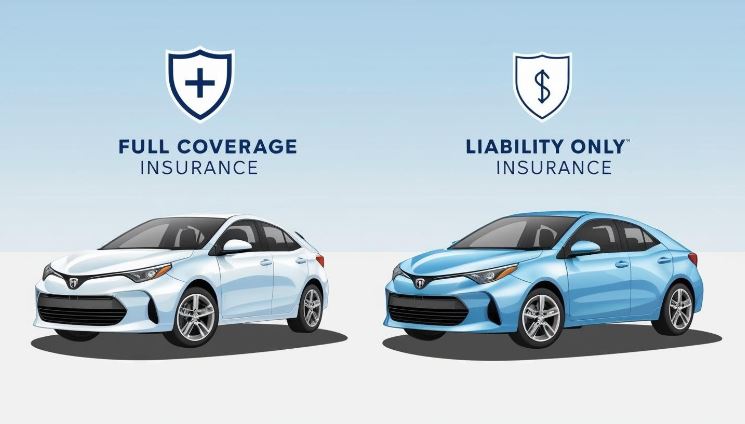
1. Liability Insurance
Liability insurance is required in almost every state and covers:
- Bodily Injury Liability (BI): Pays for medical expenses and lost wages for others if you’re at fault in an accident.
- Property Damage Liability (PD): Covers damages to another person’s property caused by an accident you’re responsible for.
State minimums vary widely. For example:
- California: 15/30/5 ($15,000 BI per person / $30,000 BI per accident / $5,000 PD)
- New York: 25/50/10
- Texas: 30/60/25
While state minimums meet legal requirements, they may not provide enough protection in a serious accident.
2. Full Coverage
Full coverage includes liability plus:
- Collision Coverage: Pays for damage to your car caused by a collision with another vehicle or object.
- Comprehensive Coverage: Covers non-collision incidents like theft, vandalism, hitting an animal, or weather-related damage.
Full coverage is ideal if:
- You have a newer or financed vehicle (required by lenders).
- You want protection against theft or natural disasters.
- You cannot afford to replace your car out-of-pocket after an accident.
Optional Coverages

Personal Injury Protection (PIP)
Available in no-fault states, PIP covers:
- Medical expenses for you and your passengers.
- Lost wages if you’re unable to work due to injuries.
- Essential services like child care or household help if you’re injured.
Medical Payments Coverage (MedPay)
MedPay helps pay for medical expenses regardless of fault. It covers:
- Hospital bills
- Surgery costs
- Ambulance fees
Uninsured/Underinsured Motorist Coverage
Protects you if you’re hit by a driver with little or no insurance. This coverage pays for:
- Medical expenses
- Lost wages
- Pain and suffering
How Much Coverage Do You Need?

Liability Recommendations Based on Assets
If you have significant assets like a home or savings you should consider higher liability limits to protect yourself financially. Lawsuits resulting from accidents can exceed state minimums, putting personal assets at risk.
Recommended Limits:
- Moderate protection: 50/100/50 ($50,000 BI per person / $100,000 BI per accident / $50,000 PD)
- High protection: 100/300/100 ($100,000 BI per person / $300,000 BI per accident / $100,000 PD)
Why Higher Limits Matter:
For example:
If you’re responsible for an accident causing $200,000 in medical bills but only have 25/50 coverage:
- Your insurance pays $50,000.
- You’re personally responsible for the remaining $150,000—putting your home and savings at risk.
Why Choose Us?
With so many options available from over 2,600+ PC insurance carriers in the U.S., finding the right auto insurance can be overwhelming. That’s where we come in:
- We compare quotes from multiple carriers to find the best coverage at
competitive rates. - Our licensed agents provide personalized advice based on your needs and
budget. - As a virtual agency, we save you time and money—no broker fees when you buy online!

Protect yourself and your vehicle with auto insurance tailored to your needs.
FAQS
Auto insurance can feel expensive because it is paying for several big risks at the same time. Your policy is designed to cover injuries, car repairs, damage you cause to others, lawsuits, and sometimes medical bills and lost wages. All of that adds up, and the cost is shared across many drivers through premiums.
Your rate reflects things like your driving record, where you live, what you drive, how far you drive, and the coverage limits you choose. If you live in an area with high accident rates, lots of theft, expensive repair costs, or heavy traffic, the base price for auto insurance in your area will be higher. If you have tickets, accidents, or a newer vehicle that is costly to repair, your personal rate will be higher too.
On top of that, the cost of repairing modern vehicles keeps rising. Cars now have sensors, cameras and advanced safety systems that are great for protection but expensive to fix. Medical costs and legal expenses have also gone up over time, and those costs are built into auto insurance rates. At Savon Insurance Brokerage, we help you balance what you pay with the protection you actually need, so you are not overspending for coverage you will never use.
Auto insurance rates across the country have been rising for several reasons. The cost to repair or replace vehicles is higher now than it was a few years ago. Even a minor fender bender can involve repainting, recalibrating sensors, replacing cameras, and working with more expensive parts. That pushes claim costs up, which then raises premiums.
There are also more accident related expenses in general. Medical bills, legal fees, and injury claim settlements are higher than they used to be. In some areas, more severe weather events are causing additional claims from storms, flooding, and hail. Insurance companies base rates on the amount they pay out in claims. When claim costs go up for many drivers, rates tend to follow.
Your own rate might be increasing faster if your driving record changed, if your credit based insurance score shifted, if you added a driver with less experience, or if your area has seen a spike in accidents or theft. As an independent brokerage, Savon can shop your coverage with multiple companies to see if there is a better rate for your situation instead of just accepting the first renewal price.
In most states, auto insurance is mandatory because driving involves a real risk of injuring others or damaging their property. The law wants to make sure that if you cause an accident, there is money available to pay for the other person’s medical bills, vehicle repairs, or other losses. That is what liability coverage is for.
Without mandatory insurance, many drivers would not have the money to pay for serious injuries or large claims. The other driver would be left to pay out of pocket or deal with long legal battles that might not result in a full recovery. By making liability insurance a legal requirement, states create a basic level of financial protection for everyone on the road.
Some states also have requirements for uninsured or underinsured motorist coverage and personal injury protection. These are designed to protect you and your passengers when the other driver is not properly insured. Savon Insurance Brokerage can explain what your state requires and help you meet those rules while still tailoring the policy to your needs.
Auto insurance rates are not fixed forever. They can go up or down depending on your personal situation and broader market trends. From your side, your rates may go down over time if you keep a clean driving record, improve your credit profile where allowed, drive fewer miles, or move to a lower risk area. Removing violations and accidents from your record as they age can help too.
On the company side, insurers may adjust rates if claim costs improve, repair costs stabilize, or regulations change. Some carriers also offer discounts for safe drivers, good students, telematics programs, multi policy bundles, and vehicles with strong safety features. Using these discounts wisely can bring your rate down even in a rising market.
There is no guarantee that overall auto insurance prices will drop in a specific year, but there is almost always room to optimize what you pay. Comparing offers from multiple companies through a broker like Savon is one of the best ways to find out if your current rate is still competitive.
Hail damage is usually covered by comprehensive auto insurance, not by liability or collision. Comprehensive coverage pays for damage to your vehicle from non collision events, such as hail, theft, fire, vandalism, falling objects, and sometimes animal impacts. If a hail storm dents your hood and roof or cracks your windshield, comprehensive coverage is what steps in.
If your policy does not include comprehensive coverage, hail damage is not likely to be covered. Many lenders require comprehensive and collision coverage if you have a loan or lease on the car, but if you own your vehicle outright and chose only liability, hail would be your own expense.
You will also need to consider your comprehensive deductible. The insurance company will pay for covered hail repairs above that amount. Savon Insurance Brokerage can review your current policy and let you know if you have comprehensive coverage in place and whether your deductible is set at a realistic level for your budget.
Your auto insurance might feel high because several risk factors are stacked together. Common reasons include:
- A history of accidents or at fault claims
- Speeding tickets or other moving violations
- A newer or high value vehicle that costs more to repair or replace
- A high risk vehicle type, such as certain sports cars or luxury models
- Younger or inexperienced drivers on your policy
- Living in an area with high rates of accidents, theft, or lawsuits
- Low deductibles or very high coverage limits
Insurance companies price policies based on how likely you are to file claims and how expensive those claims might be. If your profile or area suggests more risk, your rate will reflect that.
The important thing is that a “high” premium is not always fixed. Savon can help you look at your coverage line by line and identify where there may be room to adjust deductibles, update discounts, or compare quotes from other carriers. Sometimes a small change in how your policy is structured can make a noticeable difference in what you pay.
“Cheaper” auto insurance usually depends on the balance between price and coverage for your specific situation. No single company is always the cheapest for everyone. One insurer might be very competitive for safe drivers with perfect records, while another may offer better pricing for drivers with older vehicles or drivers who need certain discounts.
The cheapest option on paper is often a policy with:
- State minimum liability limits
- Higher deductibles for comprehensive and collision
- Fewer optional coverages, such as rental reimbursement or roadside assistance
However, going for the lowest possible price can leave you underinsured if a serious accident happens. A low liability limit might save a few dollars each month but leave you exposed to large out of pocket costs in a severe crash.
The smart way to find affordable auto insurance is to work with a broker who can compare quotes from multiple companies while making sure the coverage is still strong. Savon Insurance Brokerage does this every day. We help you find auto insurance that is cheaper for your situation without cutting important protections just to show a low number.
The “best” auto insurance is not the same for every driver. In general, a good auto insurance policy should:
- Meet or exceed your state’s minimum requirements
- Provide enough liability coverage to protect your assets
- Include comprehensive and collision if your car is valuable or financed
- Offer reliable claims service and clear communication
- Fit your budget without forcing you to take big risks
Some drivers value low price above all else. Others care more about customer service, claim speed, or brand reputation. Many want a balance of strong coverage, fair pricing, and helpful support when something goes wrong.
As an independent brokerage, Savon does not work for just one insurance company. We work for you. We help you compare several reputable insurers, explain the differences in coverage, and choose the policy that is “best” for your needs, not just the one with the biggest advertising budget.
You can compare auto insurance in a few different ways:
- Independent brokerage: Working with a broker like Savon Insurance Brokerage is often the easiest way to compare auto insurance. We collect your information once and shop it with multiple insurers, then bring back side by side options.
- Online comparison tools: Many websites let you enter basic details and see sample quotes. These can be useful for ballpark numbers, but they may not show every company or every discount you qualify for.
- Direct insurers: You can visit individual company websites or call them directly, but this takes more time if you want quotes from several carriers.
The advantage of using Savon is that you get the comparison and the advice together. We are not just feeding you prices. We are explaining the coverage differences, pointing out gaps, and helping you pick a plan that makes sense for the way you drive and what you want to protect.
Your auto insurance does not renew automatically for life. It is written for a specific policy term, usually six months or twelve months. The expiration date is printed on your insurance card and your policy declarations page.
Your coverage is active from the effective date to the expiration date shown on the policy. If you do not renew the policy or switch to a new one before that expiration date, your coverage can lapse. A lapse in coverage can cause problems, including fines in some states, license or registration issues, and higher premiums when you try to restart a policy.
Most insurers will send renewal offers and reminders before your policy expires. It is a good idea to review those with a broker like Savon a few weeks before the expiration date. That gives you time to compare other options and make changes without risking a gap in your auto insurance.
In most states, auto insurance is needed any time you own and drive a car on public roads. You generally need at least liability coverage to register the vehicle and legally drive it. Some lenders also require comprehensive and collision coverage if the car is financed or leased.
You will need auto insurance:
- When you buy a new or used car
- When you move to a new state
- When you add a teen driver or another household driver
- When you finance or lease a vehicle
- Any time you want to legally drive on streets and highways
If you plan to store a car and not drive it at all, you may have some options to reduce coverage, but you should make those changes carefully. Dropping liability or collision at the wrong time can leave you exposed if the vehicle is damaged or if someone uses it unexpectedly. Savon can help you decide what type of coverage is appropriate based on how and when you use each vehicle.
The coverage you need depends on your state, your vehicle, your finances, and your comfort with risk. At a basic level, most drivers should think about:
- Liability coverage: This is required in almost every state. It pays for injuries and property damage you cause to others in an accident. Many drivers choose limits higher than the state minimum to protect their savings and future income.
- Collision coverage: Pays to repair or replace your car if you hit another vehicle or object, regardless of fault.
- Comprehensive coverage: Pays for non collision damage, such as theft, fire, vandalism, hail, and sometimes animal impacts.
- Uninsured and underinsured motorist coverage: Protects you if you are hit by a driver who has little or no insurance.
- Medical payments or personal injury protection: Helps with medical bills and sometimes lost wages, depending on your state.
On top of that, you can add options like rental car reimbursement, roadside assistance, and gap coverage for financed vehicles. Savon Insurance Brokerage can walk you through each item and build a package that meets your state’s legal requirements and matches your personal situation, instead of forcing you into a one size fits all policy.
Auto insurance is a contract between you and the insurance company. You agree to pay a premium. In return, the company agrees to pay for certain covered losses, up to the limits shown on your policy, if an accident or covered event happens.
Here is the basic flow:
- You buy an auto policy with selected coverages and limits.
- If you have an accident or a covered loss, you report a claim to the insurer or your broker.
- The company investigates what happened, looks at the policy, and confirms what is covered.
- You may pay a deductible for certain coverages, such as collision or comprehensive.
- The insurer pays the rest, up to your policy limits, to repair the vehicle, pay medical bills, or cover other damages as outlined in the policy.
Liability coverage pays others for damage you cause. Comprehensive and collision pay for damage to your car. Other coverages fill in medical and legal gaps. Savon’s role is to help you set up the right coverages before a claim ever happens and to support you with guidance if you ever need to use your policy.
Car insurance cost varies widely, but it is usually driven by:
- Your driving record and claims history
- Your age and experience behind the wheel
- Where you live and park your car
- The make, model, year, and value of your vehicle
- How many miles you drive each year
- The coverages and limits you choose
National averages often show car insurance ranging from a few hundred dollars per year for very low risk drivers with basic coverage to several thousand dollars per year for higher risk drivers, newer cars, or full coverage policies. Each company will also price things differently based on its own data and appetite.
The best way to find out how much car insurance will cost for you is to get personalized quotes. Savon Insurance Brokerage can gather your details once and return quotes from several companies, so you can see your real cost instead of relying on broad averages that may not match your situation.
You can usually cancel your auto insurance policy at any time, but how that works depends on your state and your insurance company. Most insurers allow you to cancel mid term if you:
- Sell your car
- Switch to another company
- No longer need coverage for other valid reasons
You may be required to sign a cancellation form or provide written notice. Some policies may charge a small cancellation fee, especially very early in the term, but many will simply refund the unused portion of your premium on a pro rated basis.
It is very important to avoid a coverage gap. Never cancel an auto policy until your new policy is active or you no longer own or operate the vehicle. A lapse in coverage can lead to penalties and higher rates later. If you are thinking about cancelling or switching, Savon can help you time things correctly and handle the transition.
Auto insurance quotes are usually accurate based on the information you provide at the time. The quote is an estimate of what your premium will be if nothing in your profile changes and all details are correct. If the insurer later discovers differences in your driving record, vehicle information, mileage, or prior claims, the final price may change.
Quotes can also differ from your renewal bill if:
- You added or removed drivers or vehicles
- You had an accident or ticket after the quote
- The insurer updated its rates or applied different discounts
- Your credit based insurance score changed where allowed by law
The more complete and honest you are when requesting a quote, the more accurate that quote will be. Working with Savon, you provide your data once and we make sure the same information goes to each insurance company. That way the quotes you compare are based on the same facts and you are not surprised by big changes later.
In most cases, auto insurance settlements that pay for physical damage to your vehicle or personal injury are not taxable as income. The IRS generally considers these payments as compensation for a loss, not as earnings. For example:
- Money to repair your car after a covered accident
- Payment to replace a totaled vehicle
- Reimbursement of medical expenses related to an injury
are usually not taxable, as long as they do not exceed your actual loss and you did not deduct those same expenses on a tax return.
However, parts of a settlement can sometimes be taxable. For example, payments for lost wages may be treated differently, and punitive damages are often taxable. Tax laws can be complex, and each situation is different. Savon Insurance Brokerage is not a tax advisor, so we always recommend that you speak with a qualified tax professional or accountant about your specific settlement to be sure how it should be reported.